Infertility Center


Introduction
Infertility is one of the common health problems in today’s world and can have significant effects on the lives of individuals and families. In order to address this problem, advanced technologies and equipment have been developed for the diagnosis and treatment of infertility. In this article, entitled “Infertility Equipment,” we discuss various types of equipment used in the diagnosis and treatment of infertility.
Infertility Diagnostic Equipment
- Transvaginal Ultrasound
Transvaginal ultrasound is one of the key tools used in the diagnosis of infertility. This minimally invasive method allows visualization of the internal structures of the female reproductive system. Using this technique, physicians can examine the ovaries, uterus, and fallopian tubes and identify conditions such as ovarian cysts, fibroids, and structural abnormalities.
- Hormonal Testing
Hormonal tests are used to evaluate the levels of various hormones, including FSH, LH, estrogen, and progesterone. These tests can help diagnose conditions such as premature ovarian insufficiency (POI), polycystic ovary syndrome (PCOS), and other hormonal disorders.
- Hysterosalpingography (HSG)
HSG is an imaging procedure used to evaluate the fallopian tubes and uterus. During this procedure, a contrast agent is injected into the uterus and fallopian tubes, and X-ray imaging is used to obtain detailed images of these structures. HSG is used to diagnose fallopian tube obstruction and uterine abnormalities.


- Semen Analysis
Semen analysis is one of the primary steps in the diagnosis of male infertility. This test involves evaluating the sperm count, motility, and morphology. The results can indicate conditions such as oligospermia (low sperm count) or azoospermia (absence of sperm in the semen).
Infertility Treatment Equipment
- Ovarian Stimulation Devices
One of the main approaches to infertility treatment is ovarian stimulation to promote the production of multiple eggs. Devices such as gonadotropin injection pens and hormone pumps are used to administer ovarian stimulation medications. These medications stimulate the ovaries to produce multiple eggs, thereby increasing the likelihood of pregnancy.
- In Vitro Fertilization (IVF) Equipment
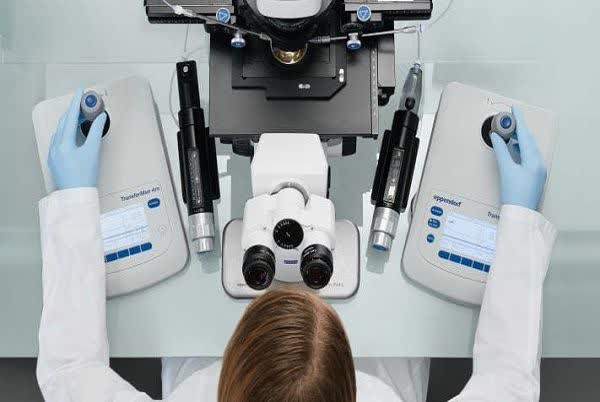
IVF is one of the most advanced techniques for infertility treatment. In this procedure, eggs are fertilized outside the body and the resulting embryos are subsequently transferred into the woman’s uterus. Equipment used in IVF includes incubators, high-magnification microscopes, and sperm injection systems for intracytoplasmic sperm injection (ICSI). This equipment supports the fertilization process and embryo development under laboratory conditions.
- Embryo Transfer Devices
Following successful fertilization, the embryos must be transferred into the uterus. Embryo transfer devices include soft and flexible catheters that are used to accurately place the embryo inside the uterine cavity. These devices are designed to minimize trauma to the uterine tissue and increase the likelihood of successful embryo implantation.
- Laparoscopic Lasers
Laparoscopic lasers are among the medical technologies used in minimally invasive surgery for the treatment of infertility. These lasers may be used to remove adhesions, treat certain tubal blockages, and remove ovarian cysts. Laparoscopic surgery is considered a minimally invasive approach and may offer advantages such as reduced pain, less bleeding, and a shorter recovery period compared with conventional open surgery.